Los Angeles IEC 62304 Consulting
IEC 62304 Consulting Los Angeles
Los Angeles is rapidly evolving into a premier hub for medical technology. The region is teeming with innovation. However, for companies developing software as a medical device (SaMD) or software-enabled hardware, great code isn’t enough. You also need rigorous compliance.
Navigating IEC 62304, the international standard for medical device software lifecycle processes, can feel daunting, especially if your team is transitioning from a non-regulated tech environment. At MedLaunch, we bridge the gap between agile software development and strict regulatory requirements. We provide the local expertise and clear guidance Los Angeles developers need to ensure their software is safe, compliant, and market-ready.
Simplifying Software Compliance for LA Innovators
Developing medical software requires a different mindset than building a standard consumer app. A bug in a medical device isn’t just an inconvenience; it can be a safety risk. MedLaunch helps you integrate compliance directly into your development workflow without stifling your speed or creativity.
We simplify the complexities of IEC 62304 by focusing on three core areas:
- Lifecycle Management: We help you structure your development process, from planning and requirements to release and maintenance, ensuring every step is documented and traceable.
- Risk Management Integration: We align your software processes with ISO 14971 risk management standards, ensuring potential hazards are identified and mitigated early in the code.
- Audit-Ready Documentation: We assist in generating the precise technical files regulators demand, reducing the stress of audits and submission reviews.
Frequently Asked Questions About IEC 62304
Understanding the technical requirements is the first step toward compliance. Here are answers to common questions we hear from Los Angeles developers.
What are the software safety classifications (Class A, B, and C)?
IEC 62304 categorizes software based on the severity of injury that a failure could cause to the patient or operator. This classification determines how much documentation and testing you need.
- Class A: No injury or damage to health is possible. (Lightest documentation burden).
- Class B: Non-serious injury is possible.
- Class C: Death or serious injury is possible. (Heaviest documentation and rigorous testing required).
We help you correctly classify your software early, preventing you from over-documenting a low-risk device or under-preparing a high-risk one.
What is the difference between software verification and validation?
While they sound similar, they answer two different questions:
- Verification: asks, “Did we build the software correctly?” It involves testing the code against your technical requirements and design specifications (e.g., unit testing, code reviews).
- Validation: asks, “Did we build the correct software?” It involves testing the finished product to ensure it meets the user’s needs and intended use in a real-world setting.
Both are required for compliance, and we guide you in creating protocols for both.
How does IEC 62304 impact my FDA 510(k) submission?
The FDA recognizes IEC 62304 as a consensus standard. When you submit a 510(k), you must provide documentation that proves your software was developed according to a controlled process. This includes your software development plan, requirements specifications, architecture design, and testing reports. Following IEC 62304 provides the exact framework the FDA looks for, significantly smoothing your path to clearance.
Ready to Launch Your Software with Confidence?
Don’t let regulatory confusion slow down your development cycle. Partner with MedLaunch to build a compliant, scalable software process right here in Los Angeles. We turn complex standards into a clear roadmap for your success.
Contact MedLaunch today to schedule your consultation and secure your path to market.
Los Angeles is rapidly evolving into a premier hub for medical technology. The region is teeming with innovation. However, for companies developing software as a medical device (SaMD) or software-enabled hardware, great code isn’t enough. You also need rigorous compliance.
Navigating IEC 62304, the international standard for medical device software lifecycle processes, can feel daunting, especially if your team is transitioning from a non-regulated tech environment. At MedLaunch, we bridge the gap between agile software development and strict regulatory requirements. We provide the local expertise and clear guidance Los Angeles developers need to ensure their software is safe, compliant, and market-ready.
Simplifying Software Compliance for LA Innovators
Developing medical software requires a different mindset than building a standard consumer app. A bug in a medical device isn’t just an inconvenience; it can be a safety risk. MedLaunch helps you integrate compliance directly into your development workflow without stifling your speed or creativity.
We simplify the complexities of IEC 62304 by focusing on three core areas:
- Lifecycle Management: We help you structure your development process, from planning and requirements to release and maintenance, ensuring every step is documented and traceable.
- Risk Management Integration: We align your software processes with ISO 14971 risk management standards, ensuring potential hazards are identified and mitigated early in the code.
- Audit-Ready Documentation: We assist in generating the precise technical files regulators demand, reducing the stress of audits and submission reviews.
Frequently Asked Questions About IEC 62304
Understanding the technical requirements is the first step toward compliance. Here are answers to common questions we hear from Los Angeles developers.
What are the software safety classifications (Class A, B, and C)?
IEC 62304 categorizes software based on the severity of injury that a failure could cause to the patient or operator. This classification determines how much documentation and testing you need.
- Class A: No injury or damage to health is possible. (Lightest documentation burden).
- Class B: Non-serious injury is possible.
- Class C: Death or serious injury is possible. (Heaviest documentation and rigorous testing required).
We help you correctly classify your software early, preventing you from over-documenting a low-risk device or under-preparing a high-risk one.
What is the difference between software verification and validation?
While they sound similar, they answer two different questions:
- Verification: asks, “Did we build the software correctly?” It involves testing the code against your technical requirements and design specifications (e.g., unit testing, code reviews).
- Validation: asks, “Did we build the correct software?” It involves testing the finished product to ensure it meets the user’s needs and intended use in a real-world setting.
Both are required for compliance, and we guide you in creating protocols for both.
How does IEC 62304 impact my FDA 510(k) submission?
The FDA recognizes IEC 62304 as a consensus standard. When you submit a 510(k), you must provide documentation that proves your software was developed according to a controlled process. This includes your software development plan, requirements specifications, architecture design, and testing reports. Following IEC 62304 provides the exact framework the FDA looks for, significantly smoothing your path to clearance.
Ready to Launch Your Software with Confidence?
Don’t let regulatory confusion slow down your development cycle. Partner with MedLaunch to build a compliant, scalable software process right here in Los Angeles. We turn complex standards into a clear roadmap for your success.
Contact MedLaunch today to schedule your consultation and secure your path to market.
We don’t just talk about getting results; we deliver them. See how MedLaunch helps medical device companies overcome complex challenges and bring innovative products to market.

Turning an Outdated Product Into a Modern Market Success
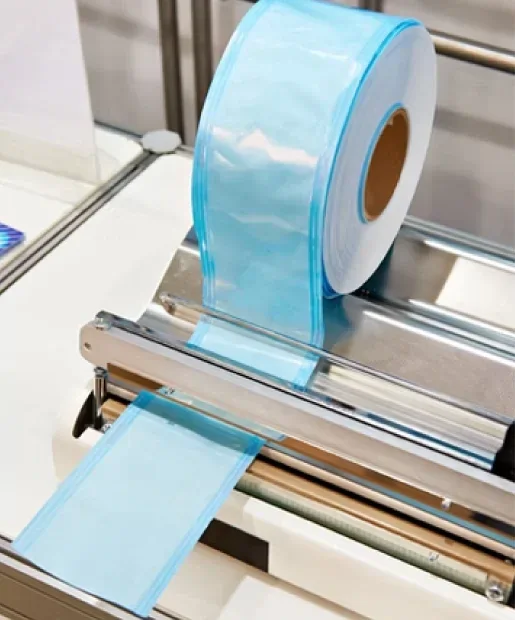
Solving Regulatory & Supply Chain Challenges to Keep a Life-Saving Product on the Market
Every great device deserves a clear path to market.
Connect with MedLaunch today and take the first step toward approval and success.